SOURCE:https://www.americanprogress.org
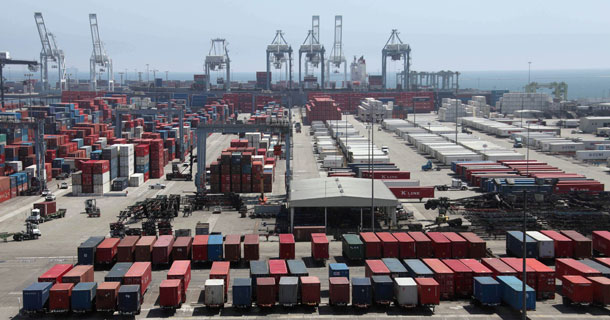
Trade agreements have a large effect on a country's economic prosperity. When the USA makes a trading agreement with other nations it proposes rules and regulations which need to be followed by both parties in order for trade to happen. In the article, “4 Ways Green Groups Say Trans-Pacific Partnership Will Hurt Environnement”, written by Brian Clark Howard of the National Geographic, critic’s concerns on the non-environmentally friendly policies of the future Trans-Pacific-Partnership are cited. I argue that the trade partnership lays loose on environmental preservation which shows how the government sometimes fails to balance economy with environmental protection.
After a draft of the free trade agreement between the United States, Canada, Mexico, and nations on the Pacific Rim was leaked to the public, it became apparent that it wasn't environmentally friendly. The article points out that the trade agreement doesn't even mention environmental provisions. When asked about it the White House, “has hinted that it will not support an agreement without enforceable environmental provisions”, but shows no sign of enforcement. It has always been true that until something is put on paper there is no guarantee it will be followed. I, like many environmentalists find the future partnership concerning because environmental policies play a big role in trading. Usually environmental sanctions can be given to a trading partner who pollutes above the amount that was agreed on. In this case if policies are not stated there will be no consequence to environmental damage during trading.
The publication discusses some more reasons why this trading agreements can potentially leave president Obama with a worse environmental trade record that of George W. Bush. First of all, “The countries negotiating the agreement account for about a third of global fisheries production,” and the draft does not discourage over-fishing. Which makes it easy for those nations to take advantage of the trading agreement. On top of that the pact is not said to take a strong stance against the trading of illegal wildlife products and logging. All of these weak to nonexistent enforcement potentially make this trading agreement dangerous for environmental protection. It becomes apparent that the boundaries between economic prosperity through trade and protecting the environment can be unclear to the US government.

No comments:
Post a Comment